Sultan Fish Seed Farm

Contributions to Fish Breeding

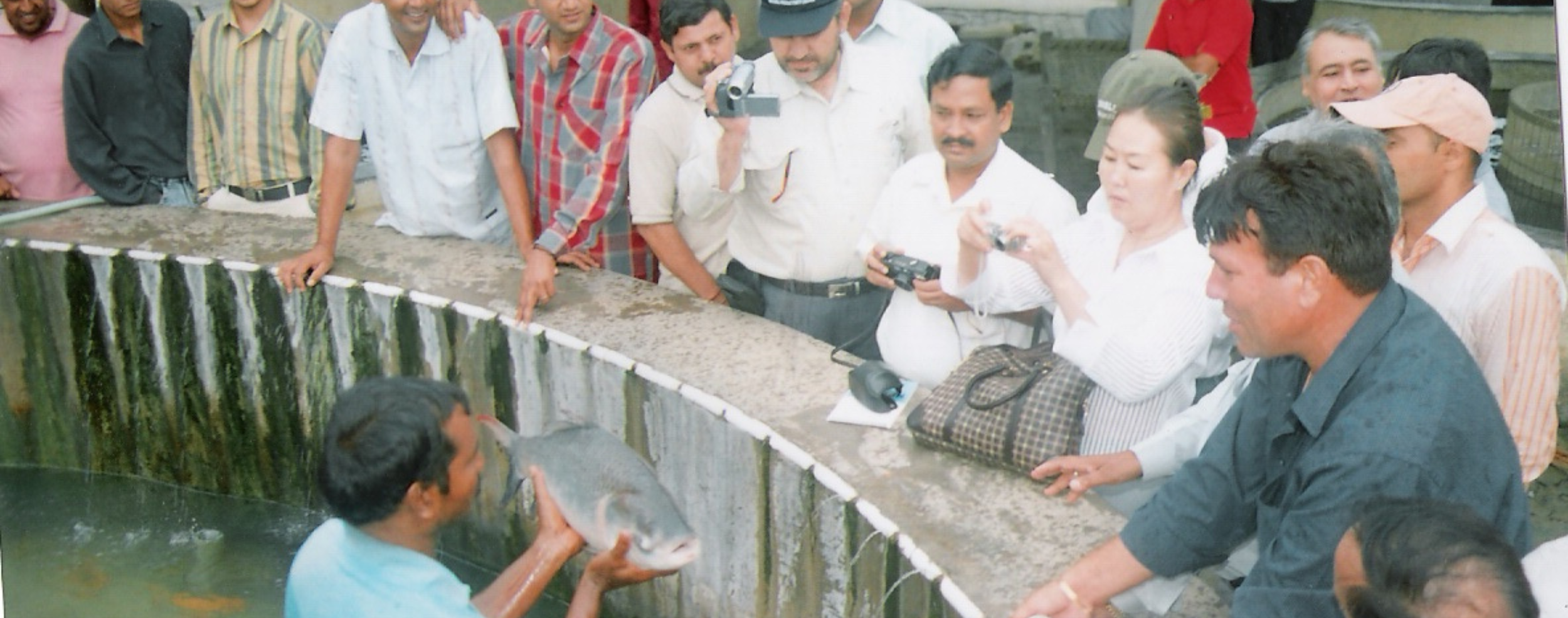
Sultan Fish Seed Farm, established in 1982, was established by Sultan Singh, in Karnal district of  Haryana, has been leading in advancing fish breeding techniques and aquaculture practices in India. The farm specializes in breeding a diverse range of fish species, including Indian major carps (IMC),China Major Carps (CMC), and various catfish varieties. 

Fish Breeding Technique

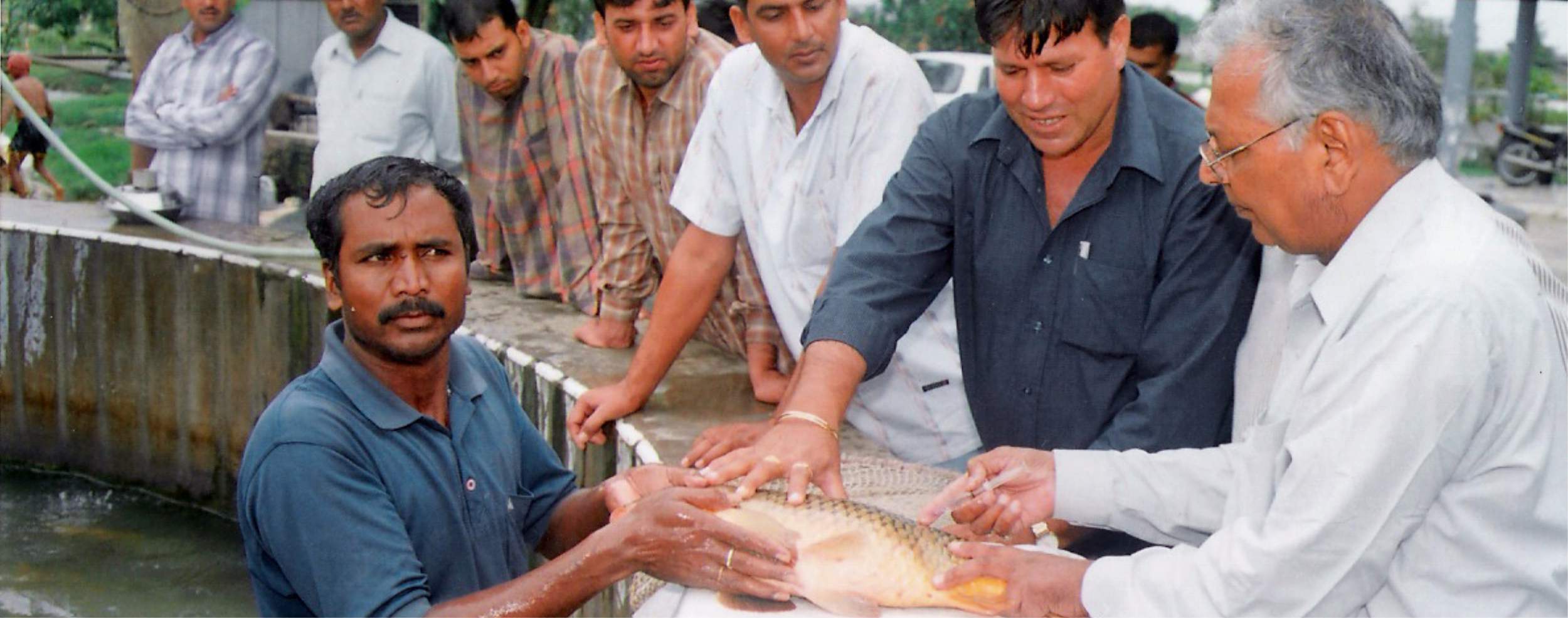
Brooder is selected and injected with PG.

In fish breeding, brooder selection is a crucial step where healthy, mature male and female fishes are chosen based on size, age, and reproductive readiness. Once selected, the brooders are injected with Pituitary Gland (PG) extract, a natural hormone that stimulates spawning. The PG hormone enhances the development of eggs and milt, inducing ovulation and spermiation in females and males respectively. This is typically done under controlled conditions to ensure optimal breeding success.

The process of fish brooder selection and PG (Pituitary Gland) injection is highly technical and requires great care. Healthy, sexually mature male and female brooders are carefully selected based on size, physical condition, and readiness for spawning. Once selected, the brooders are handled gently to avoid stress and injury. PG extract, which contains natural hormones, is then precisely injected to stimulate the release of eggs and milt. The dosage and timing are critical and vary by species. This hormone-induced breeding technique is conducted under controlled conditions to ensure the health of the brooders and the success of spawning.

Fish brooder selection and PG (Pituitary Gland) injection is a delicate and highly technical process that can only be performed by trained experts.

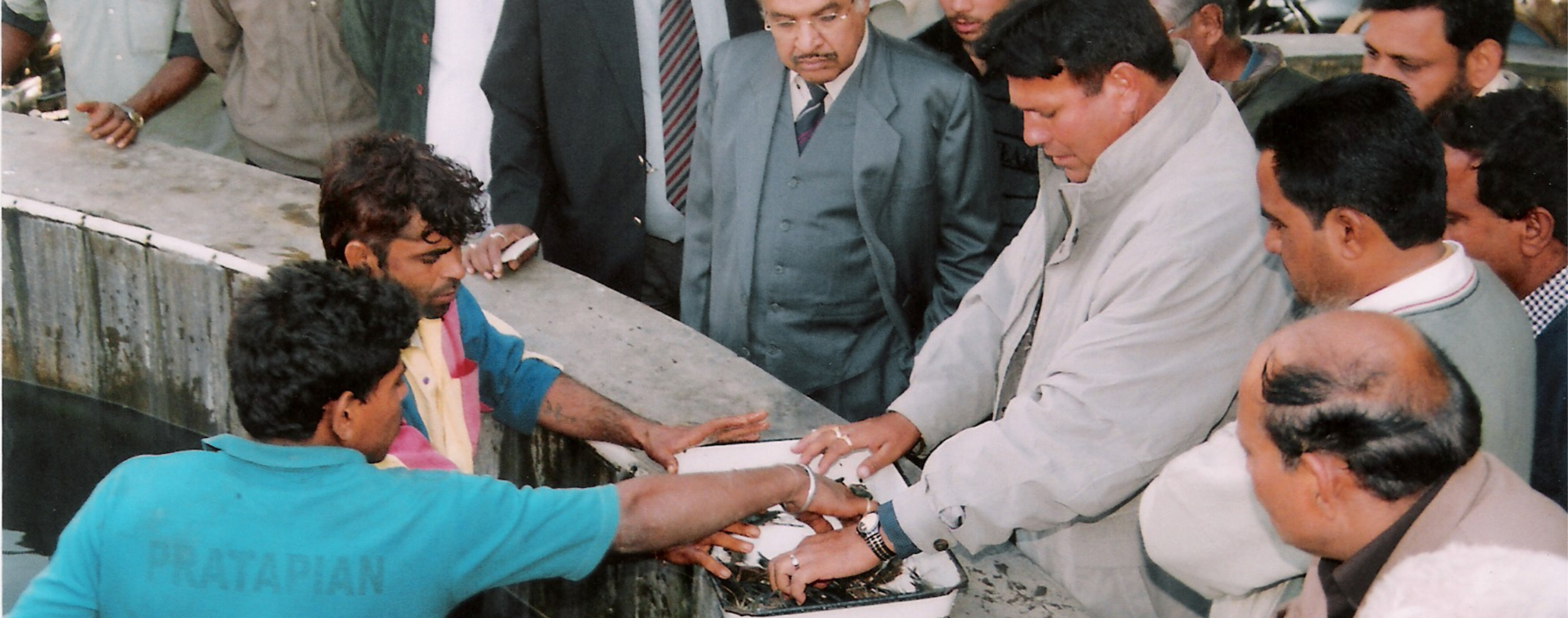
Brooders Segregation

After PG treatment Male & Female brooders are separated for 12 hours.

Separation of male and female brooders following PG treatment is  done carefully to minimize stress and prevent premature spawning. They are stored in individual, well-ventilated tanks under close scrutiny for approximately 12 hours. This isolation enables the hormone  to have maximum effect and also guarantees coordinated spawning subsequently.

Following PG  treatment, males and females brooders are separated and housed in separate tanks for approximately 12 hours. At this time,  they are kept under close observation to check their reaction to the hormone.  This process ensures optimal maturation and readies the brooders for successful spawning.

A Smooth Stripping

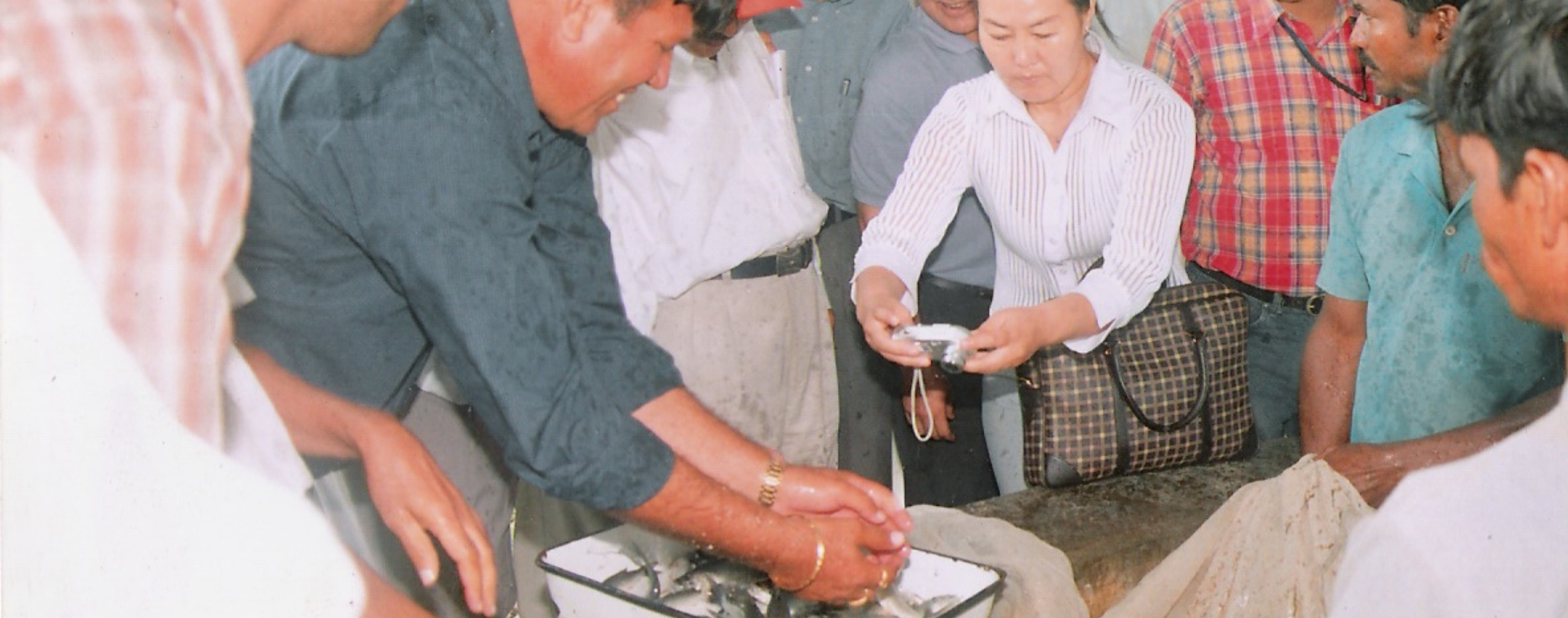
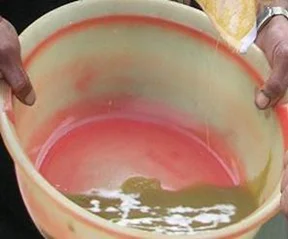
Collection of Eggs
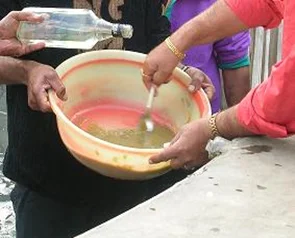
Collection of Milt

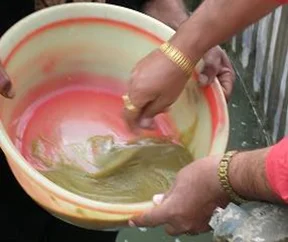
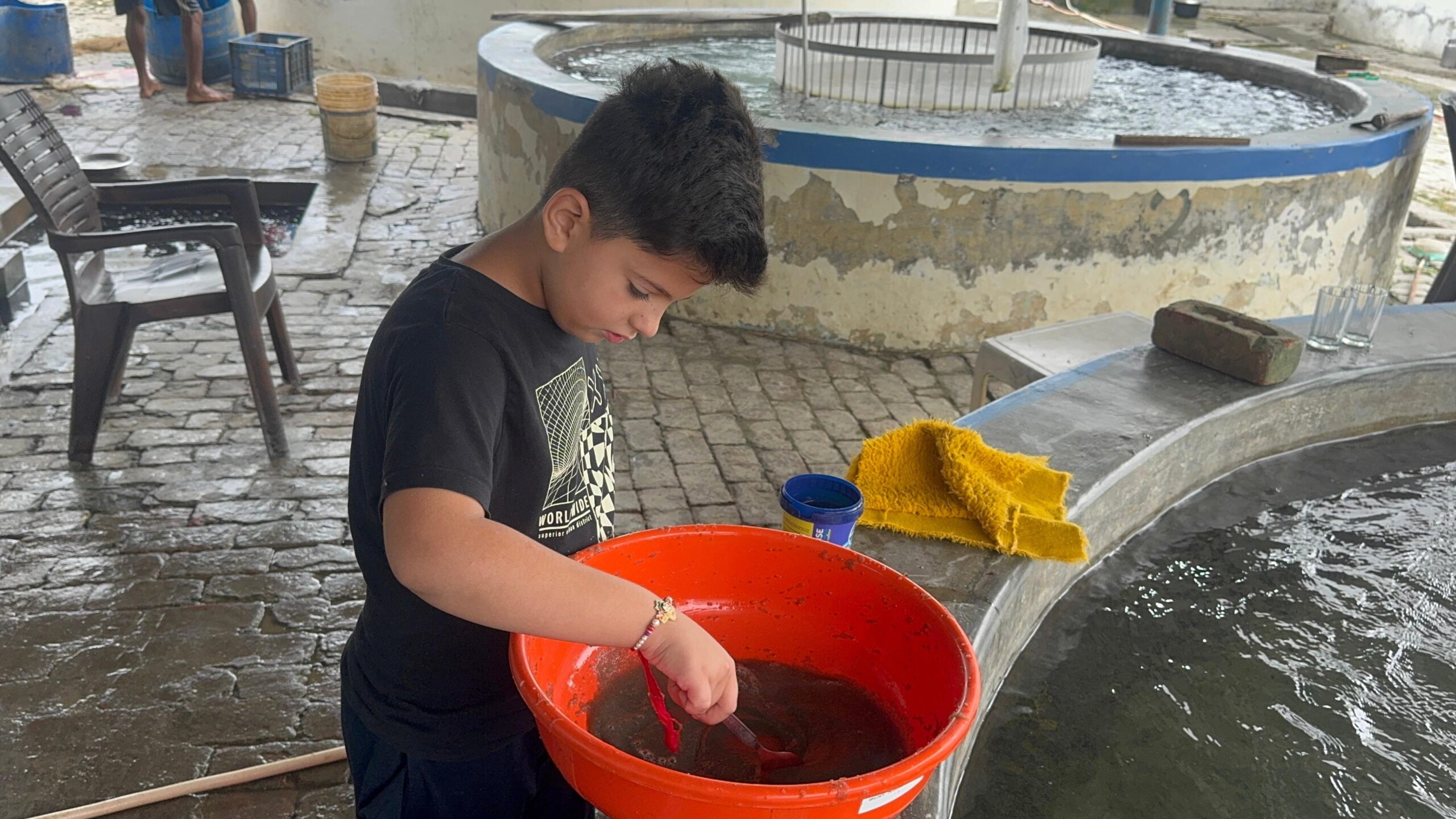
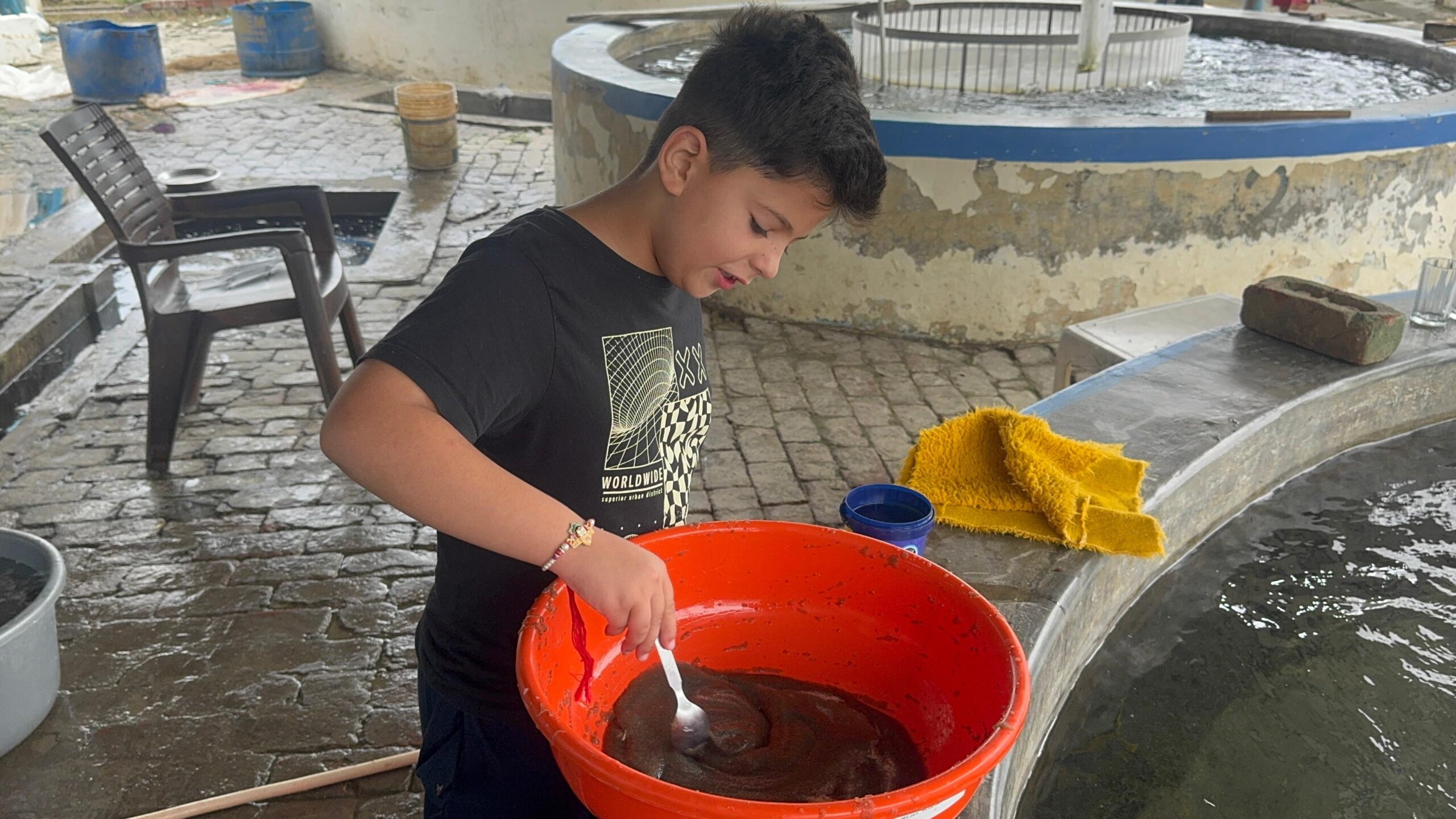
Fertilization

Step 1
Step 2
Step 3

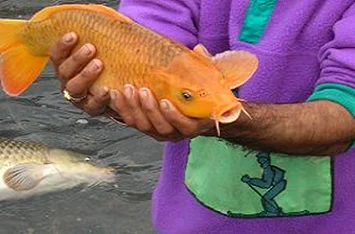
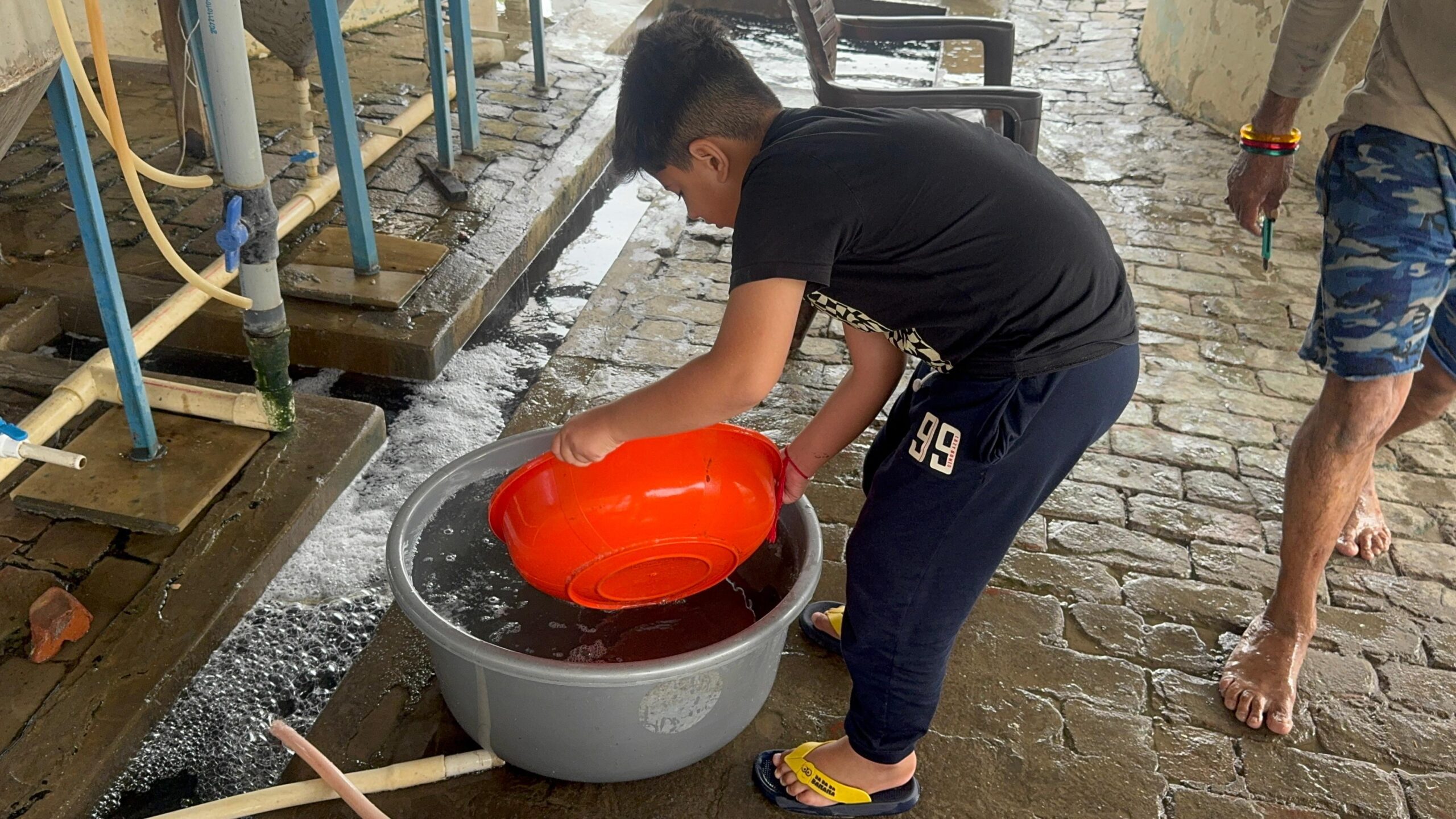
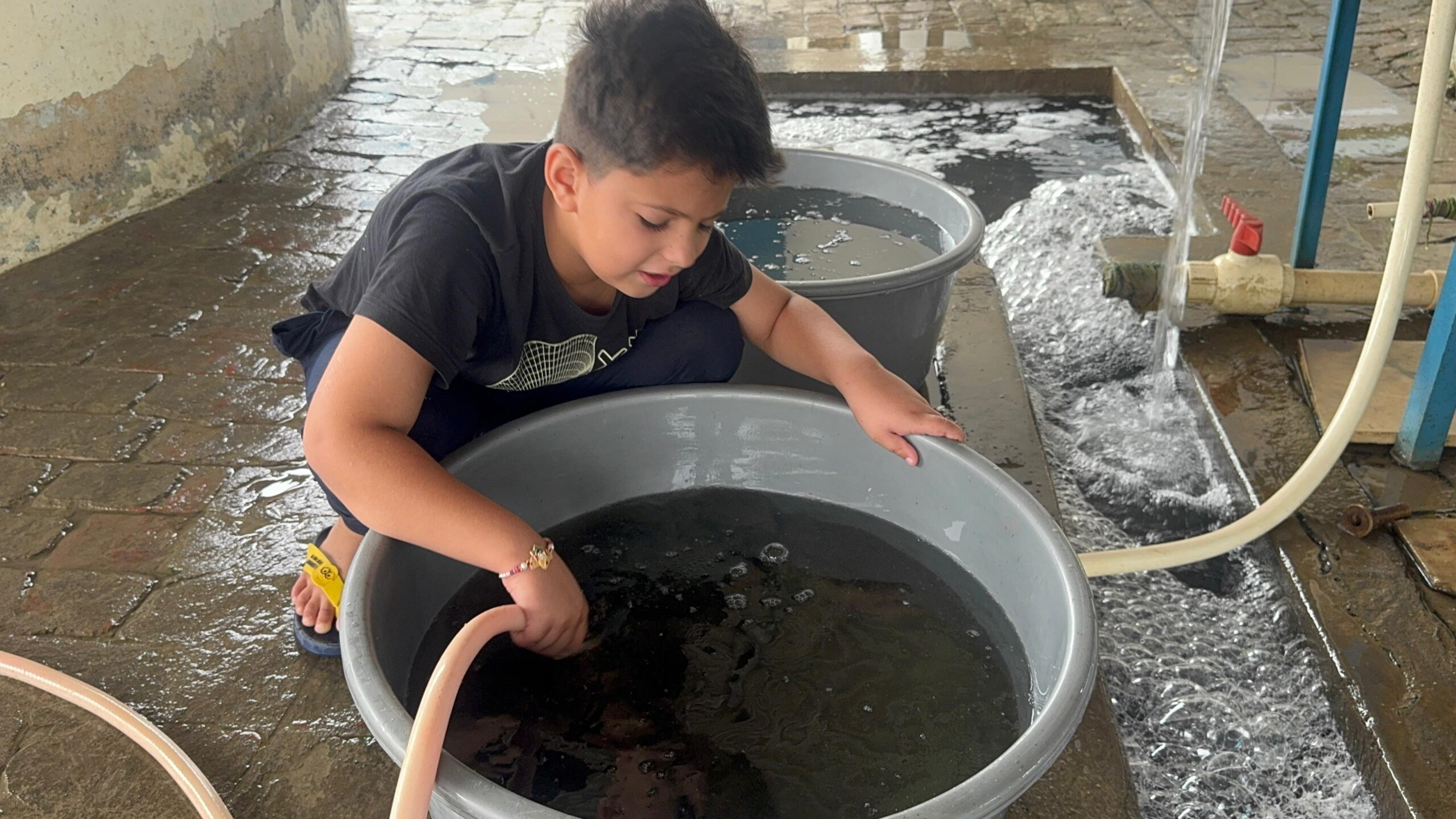
These steps are very time scheduled and frequent that even a moment delay can destroy the whole mixture. Above photos are of common carp which comes in difficult spawning fishes

Hatchery to Production

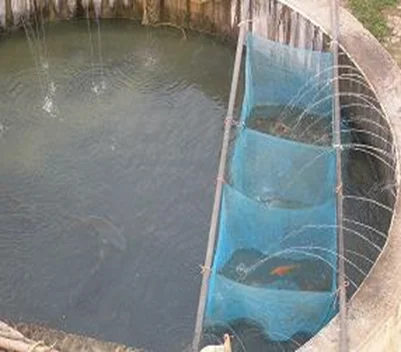
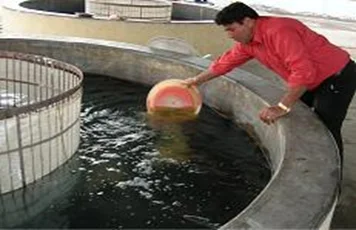
Step 1: Eggs transferred in Hatching Pool
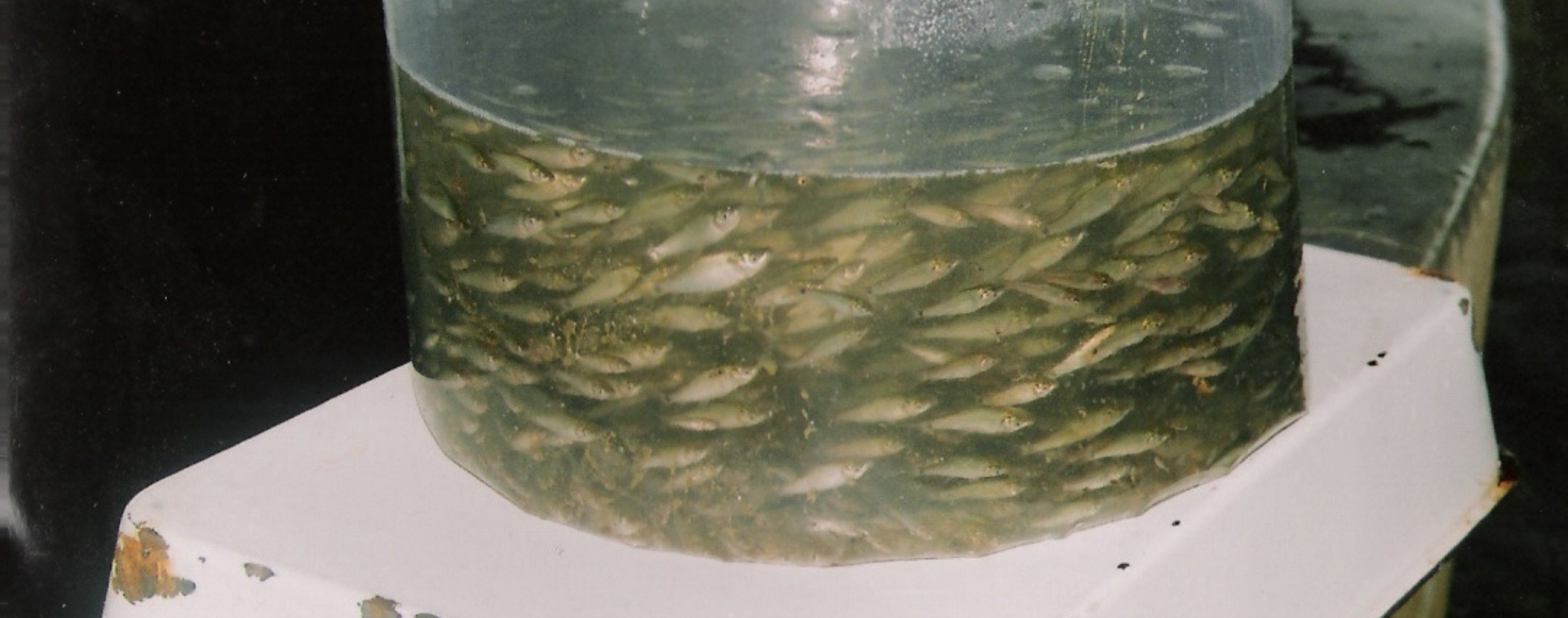
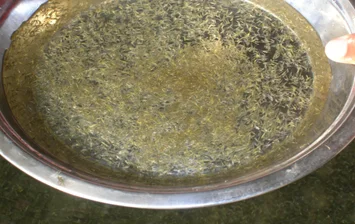
Step 2: Healthy Fish Spawn Produced
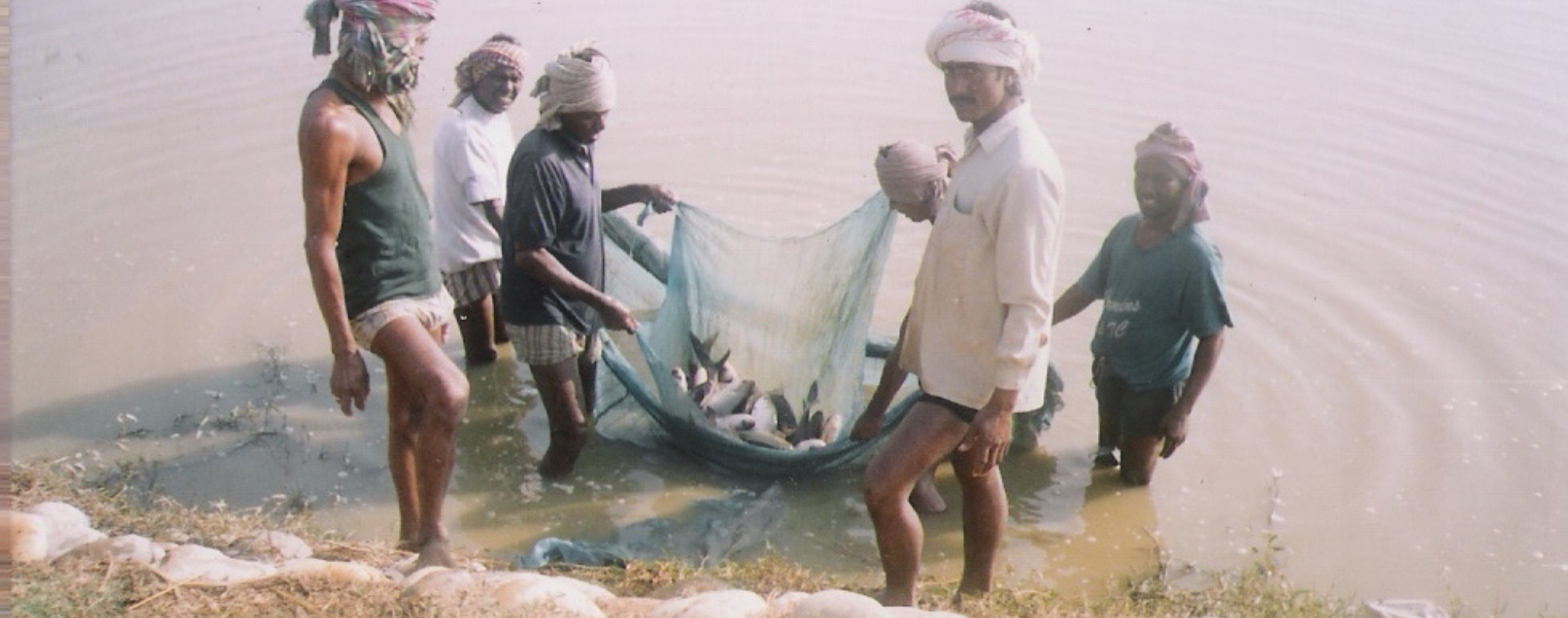
Step 3: Healthy Table Fish ready for Market

Complete breeding process explained in video

Chital Fish Breeding process

Step 1: Induced Pituitary Gland hormone to Male Fish for Breeding
Step 2: Induced Pituitary Gland hormone to female Fish for Breeding
Step 3: Hide outs like Tyres kept in tanks for laying eggs of fish
Step 4: Sticky Chital Fish Eggs are ready for hatching
Step 5: Hatchlings of Chital Fish are ready to come out
Step 6 : Healthy Fish Fry of Chital Fish

Fish Breeding process in Carps Fishes

Step 1: Selection of Fish Brooders male & female
Step 2: Inducing Pituitary Gland Hormone to Male Fishes
Step 3: Inducing Pituitary Gland Hormone to Female Fishes
Step 4: Carp Fish Spawn
Step 5: Carps Fish Fingerlings
Step 6: Market Size Carp Fishes

Catfish Breeding process photos

Catfish Breeding process videos

Step 1: Washing of Fertilised Fish Eggs
Step 2: Healthy catfish Spawn
Step 3: Healthy Shingi Fish Spawn
Step 4: Catfish fingerlings
Step 5: Healthy Shingi Fish Spawn
Step 6: Market Size Catfish

Pangaas Breeding process

Step 1: Inducing Pituitary Gland Hormone for breeding
Step 2: Eggs Collection Process of Pangas Fish
Step 3: Mixing of Male fish milt sperms to make eggs fertilised
Step 4: Fish Eggs transferred to bucket jar hatchery
Step 5: Healthy Pangas Fish Spawn
Step 5: Healthy Pangas For Market