Integrated Fish Farm Activities

Integrated Fish Farming Activities at Sultan Fish Seed Farm

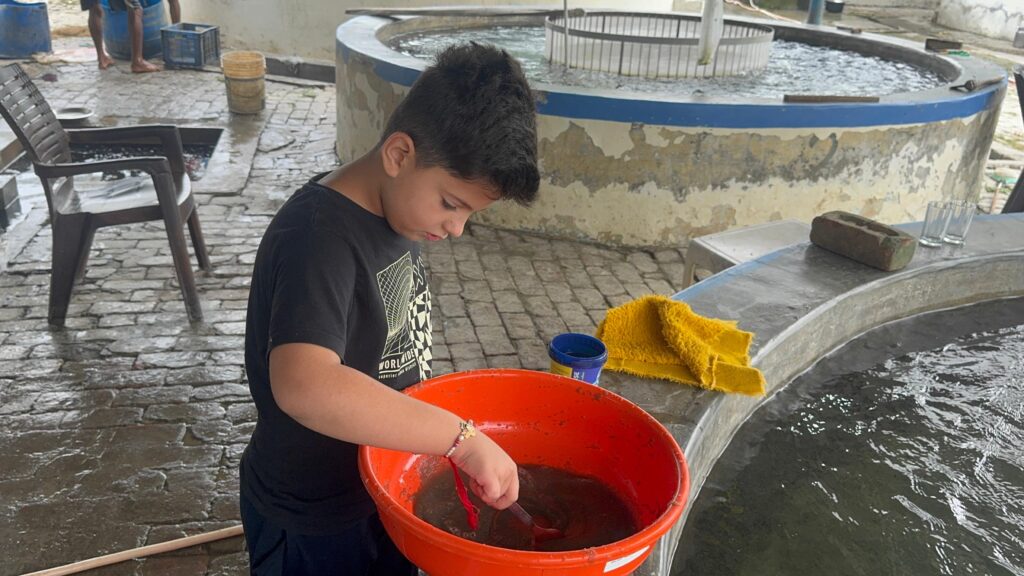
Fish Seed Production and Hatchery Operations

This is the core activity of the farm.
Breeding and Seed Production

The farm breeds Indian Major Carps (IMC) such as:

  • Rohu
  • Catla
  • Mrigal

It also produces:

  • Grass carp
  • Silver carp
  • Common carp
  • Catfish
Breeding season generally runs March to October.

The farm produces:

  • Over 105 crore spawn per season
  • Around 9–10 crore fry
  • 10–15 lakh fingerlings annually
  • About 2 lakh yearlings yearly

These seeds are supplied to farmers and government programmes.

Grow-Out Fish Culture (Food Fish Production)

After seed production, fish are raised to market size.

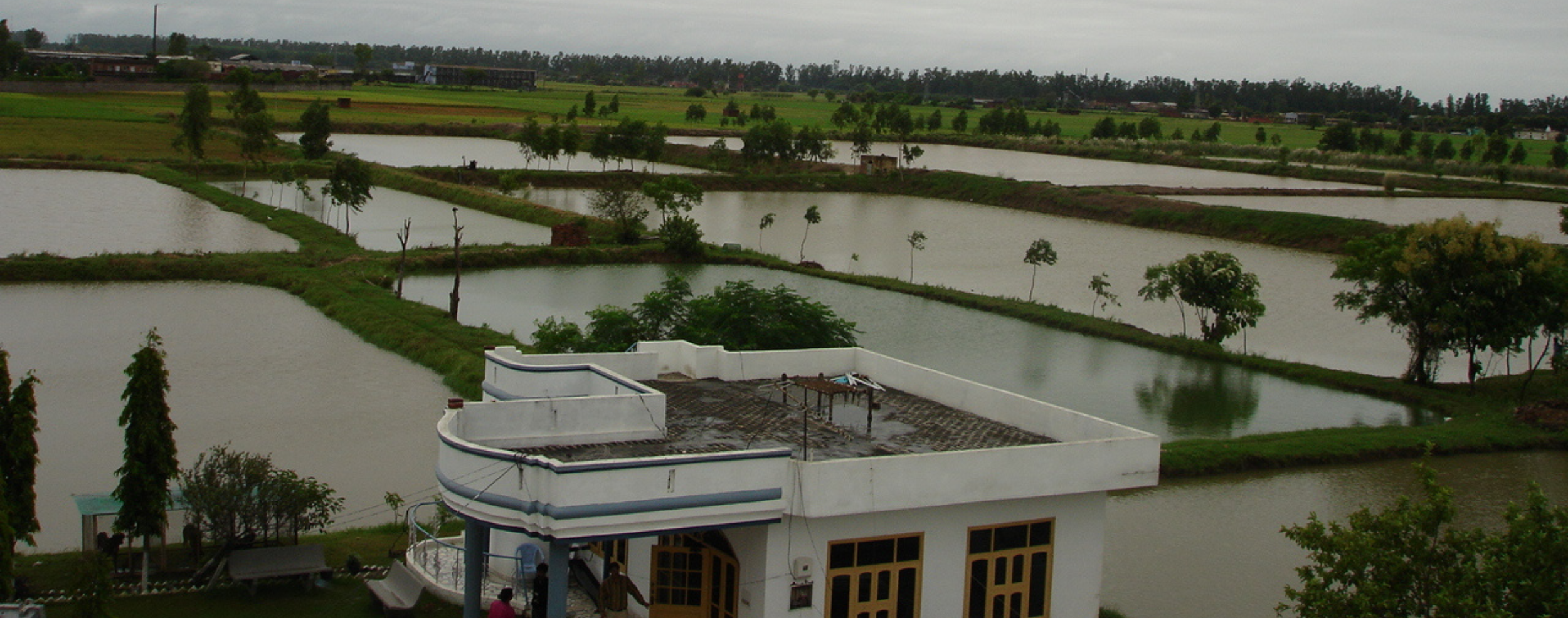
Pond Culture

  • Earthen ponds are used to raise fish commercially.
  • Average grow-out production reported.
  • About 22 tonnes of food fish per 1.5 hectares annually programmes.

Polyculture System

Different fish species are cultured together:

  • Surface feeders – Catla
  • Column feeders – Rohu
  • Bottom feeders – Mrigal

This ensures efficient utilization of pond space and natural food resources.

Recirculating Aquaculture System (RAS)

This is a modern integrated component of the farm.

Key Features

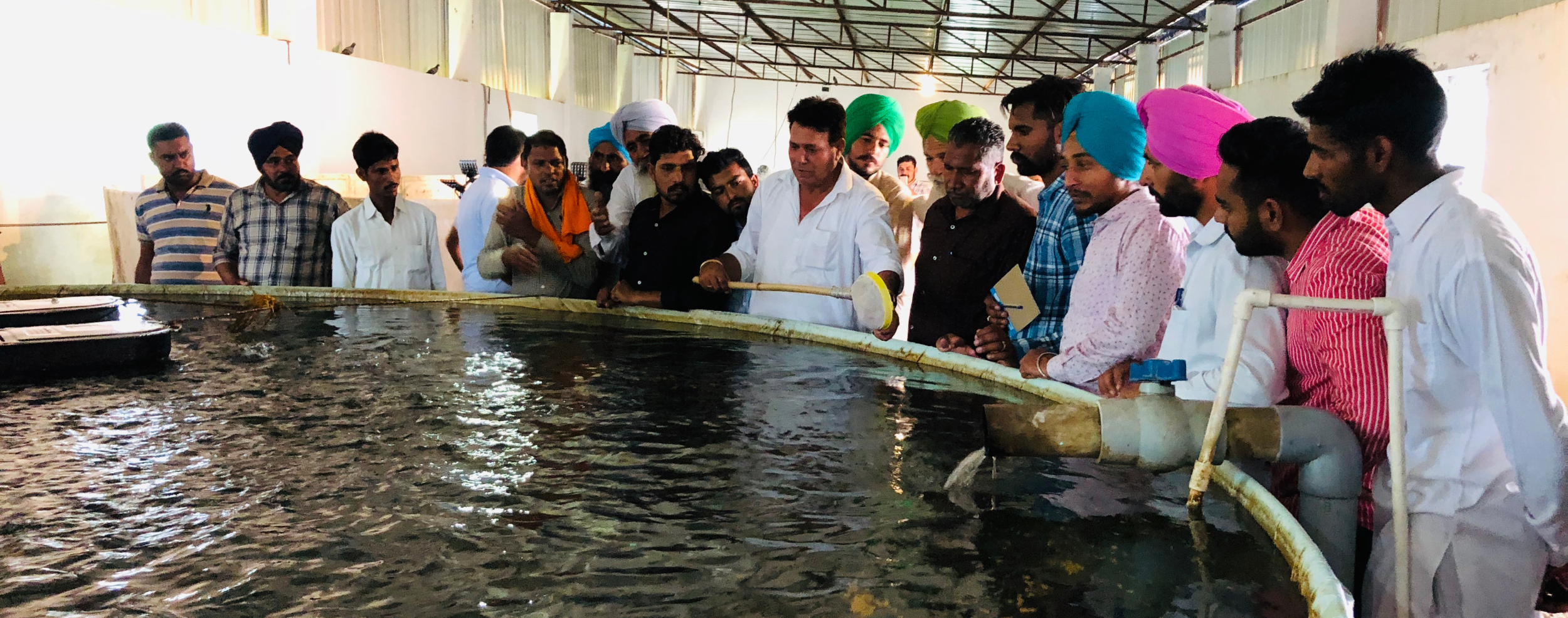
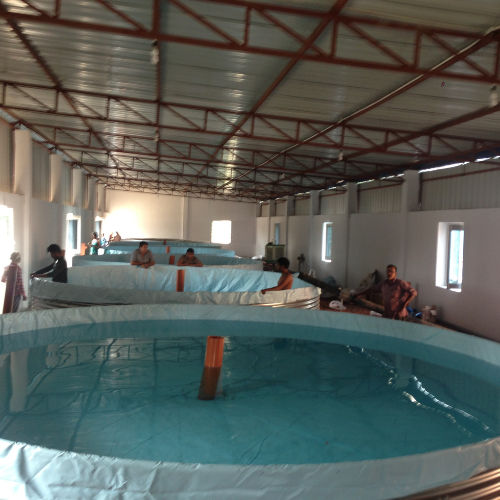
  • Uses circular tanks with aeration and filtration systems.
  • About 90% of water is recycled continuously.
  • Allows high-density fish production.
  • Used for species like pangasius and carp.
  • Production can reach 36–130 kg per cubic meter, much higher than traditional ponds.

RAS reduces water usage and improves productivity, making it environmentally sustainable.

Brackish Water and Diversified Aquaculture

The farm has expanded beyond freshwater farming.

Activities Include

  • Shrimp culture
  • Sea bass farming
  • Culture of other brackish-water species in saline areas

This diversification increases income and reduces farming risk.

Integration with Agriculture and Horticulture

Fish farming is combined with crop and tree cultivation.

 Examples

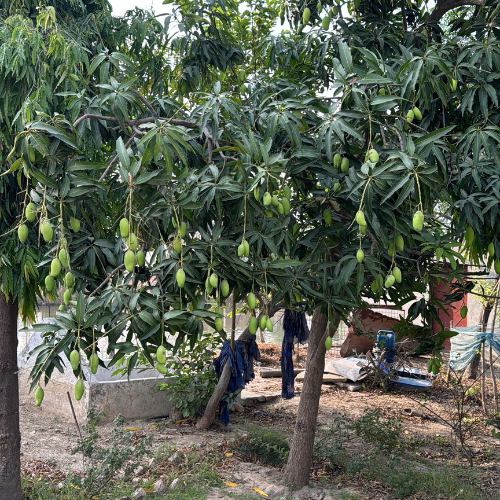
  • Fruit trees like guava, jamun and chikoo are grown on pond bunds and surrounding areas.
  • Pond nutrients and water help support plant growth.

This:

  • Enhances land utilization
  • Provides additional income
  • Maintains ecological balance

Aquaponics and Vegetable Production

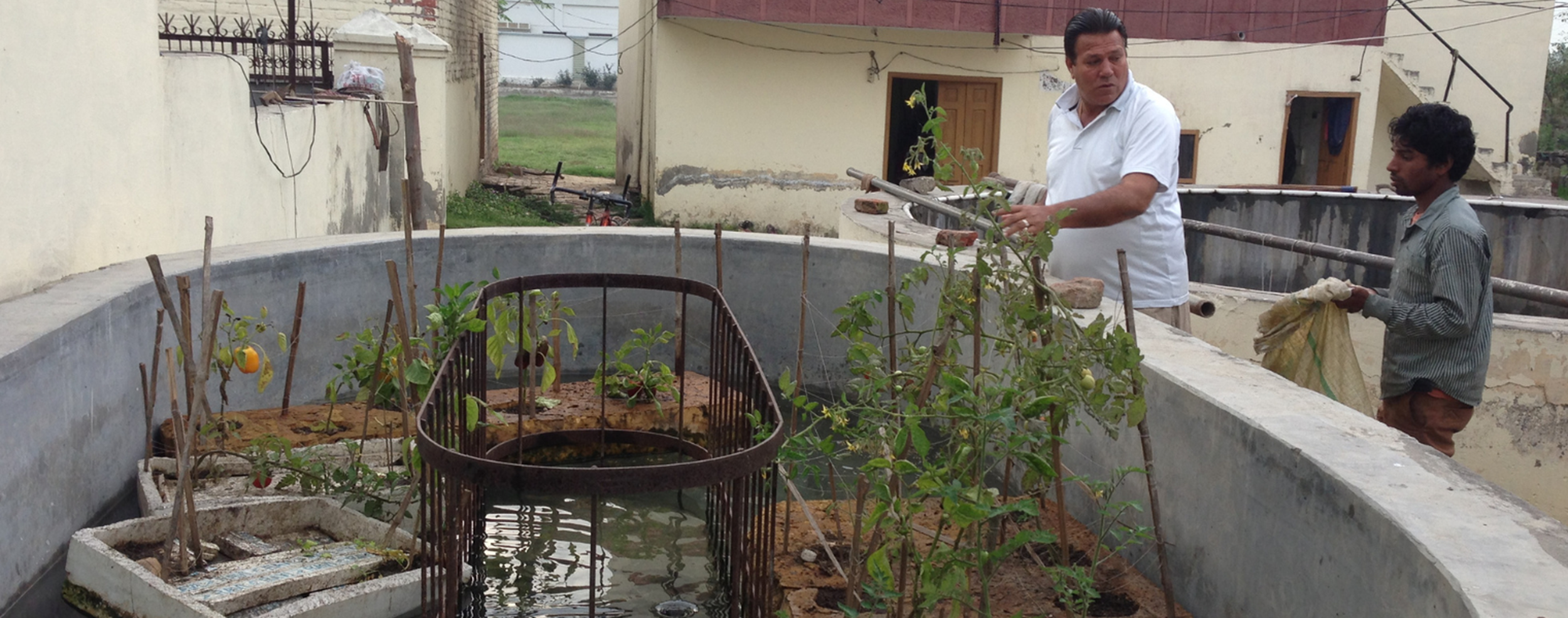
The farm also integrates fish culture with plant production.

 Concept

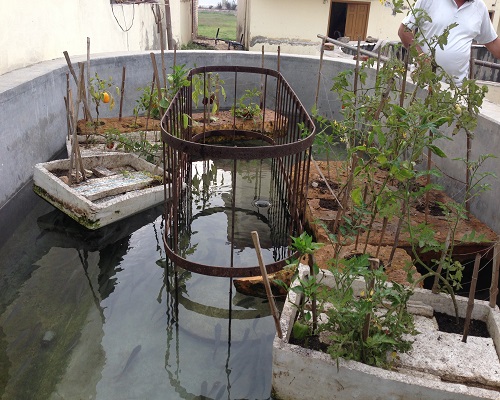
  • Nutrient-rich fish water is used for vegetable cultivation.
  • Fish waste acts as fertilizer.

This improves sustainability and reduces chemical fertilizer use.

Livestock and Multi-Enterprise Integration

To further diversify farming, the farm includes:

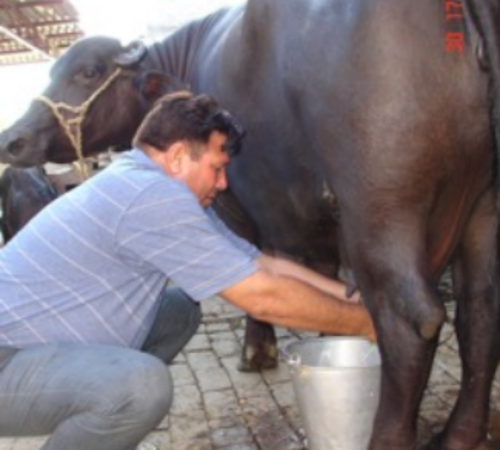
  • Dairy animals
  • Horses
  • Other livestock components

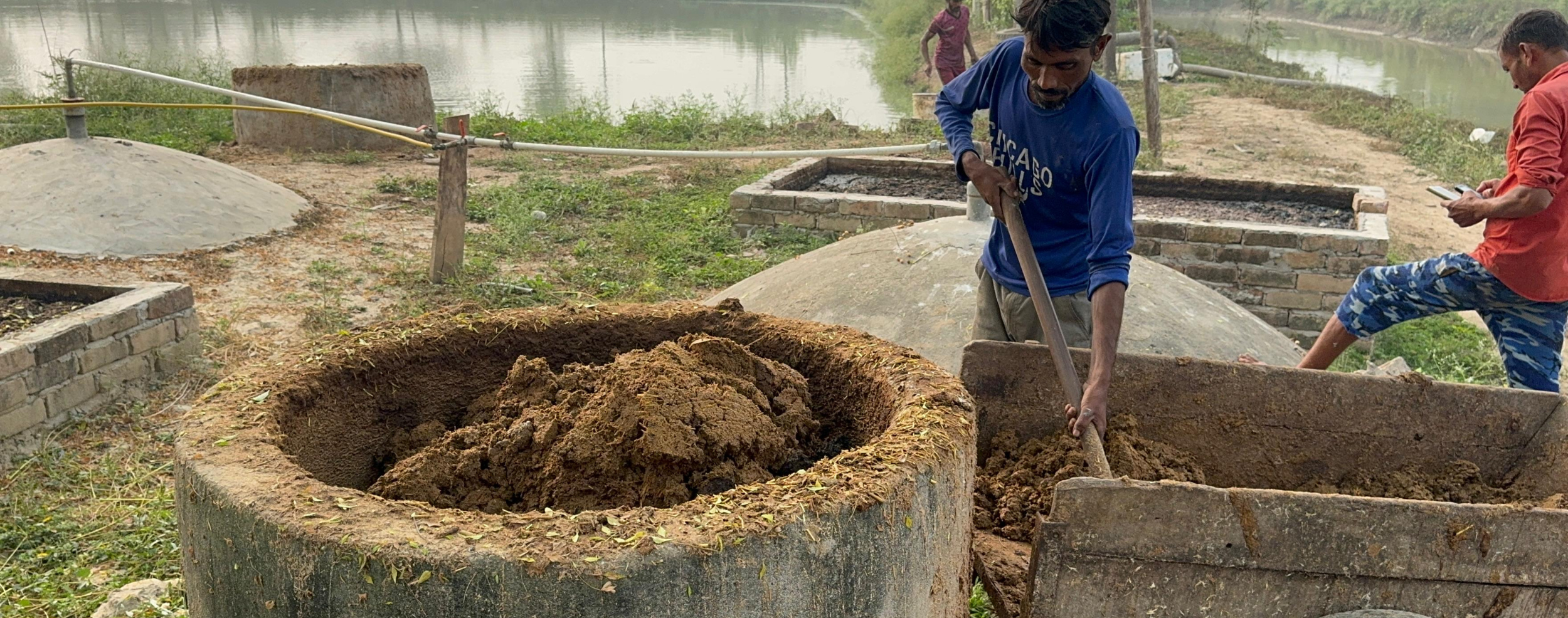
Waste from livestock can be used to fertilize fish ponds, which supports plankton growth and fish feeding cycles

Innovation and Research Activities

The farm functions as a training and research centre.

Innovative Practices

  • Induced early breeding in fish species
  • Captive breeding of catfish.
  • Development of shrimp culture in difficult climatic conditions
  • Introduction of modern hatchery technology

The farm trains students, farmers, and researchers in aquaculture.

Processing and Marketing Integration

Besides production, the farm is linked with:

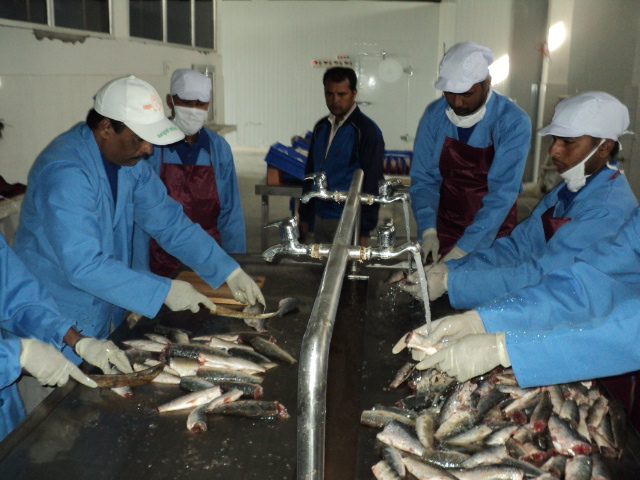
  • Fish processing
  • Retail fish marketing
  • Quality testing laboratory

This vertical integration improves value addition and profitability

Advantages of Integrated Farming at the Farm

Multiple income sources
Efficient resource recycling
Reduced input
costs
Higher
productivity
Sustainable and eco-friendly production

Overall Integrated Model

The Sultan Fish Seed Farm integrates:

  • Hatchery + Grow-out Fish Culture
  • RAS + Pond Culture
  • Freshwater + Brackish Water Farming
  •  Fish + Agriculture + Aquaponics
  • Fish + Livestock + Horticulture
  • Production + Processing + Training

Contact us today to explore how Aquaponics Farming can transform your agricultural productivity and open new revenue streams.